Settings
 Fast Delivery
 Payment Types


 Marketplace Product
Terminals
47,382 Results- Barrel, Bullet Connectors
- Foil Connectors
- Housings, Boots
- Knife Connectors
- Lugs
- Magnetic Wire Connectors
- PC Pin Receptacles, Socket Connectors
- PC Pin, Single Post Connectors
- Quick Connects, Quick Disconnect Connectors
- Ring Connectors
- Screw Connectors
- Solder Lug Connectors
- Spade Connectors
- Specialized Connectors
- Terminal Accessories
- Terminal Adapters
- Turret Connectors
- Wire Pin Connectors
- Wire Splice Connectors
- Wire to Board Connectors


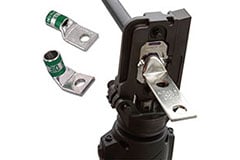



About Electrical Terminals
Electrical terminals provide the mechanical and electrical endpoint of a conductor, creating secure, low-resistance connections between wires, components, equipment, and power distribution systems. By eliminating the need to solder wires directly, terminals improve reliability, simplify installation, and make maintenance or replacement easier. They are widely used in industrial control panels, machinery, automotive systems, renewable energy equipment, consumer electronics, and embedded designs. Common terminal types include ring terminals, spade terminals, quick-connect terminals, bullet connectors, barrel connectors, knife connectors, wire pin connectors, lugs, PC pin connectors, and turret terminals, each designed for specific mounting methods, current levels, and service requirements.
Selecting the right terminal starts with matching the conductor size, typically specified in AWG or mm², to ensure a secure crimp and full current-carrying capability. If you're working with international wire sizes or comparing specifications from different regions, DigiKey's Wire Size Conversion Calculator makes it easy to convert between AWG and mm², helping you select a terminal that properly fits your wire for maximum electrical and mechanical reliability. Engineers should also consider voltage and current ratings, insulation type, temperature range, and environmental conditions such as vibration, moisture, chemicals, and corrosion. Ring terminals provide excellent vibration resistance, while spade/fork terminals simplify maintenance by allowing quick removal. Quick connects and barrel/bullet connectors support detachable wiring, lugs are suited for high-current power applications, and PC pin or turret terminals provide durable board-level connection points.
The termination method is another key consideration. Crimp terminals are the preferred choice for most production and industrial applications because they provide fast, repeatable, and reliable connections when installed with the proper tooling. Solder terminals are often used for repair work or applications requiring permanent connections, while screw terminals allow convenient field wiring without specialized tools. Additional factors such as plating material, insulation style, mounting configuration, and compatibility with existing hardware should also be evaluated. Selecting a terminal based on application requirements, including wire size, electrical load, installation method, serviceability, and operating environment helps ensure safe, reliable, and long-lasting electrical connections.