Settings
 Fast Delivery
 Payment Types


 Marketplace Product


Why NPIs Fail: The Hidden Gaps That Undermine New Product
Launching a New Product Introduction (NPI) is a major milestone, and DigiKey provides a powerful platform for showcasing new products to the electronics industry. As a marketing specialist with a focus on NPIs, I have unfortunately witnessed the success of some promising products hindered because of avoidable execution gaps. In other words: NPI failures aren’t always due to lack of innovation; sometimes they fail when fundamentals are missing.
Here are the most common reasons NPIs struggle and how to avoid them.
No Inventory at Launch
Interest without availability is a dead end. When customers discover a new product but can’t order it, momentum is lost instantly. Engineers want to prototype now, not weeks or months later. Without inventory available at launch, even the best marketing can’t convert curiosity into adoption. Inventory readiness is not a follow-up task; it’s a launch requirement. By partnering with DigiKey ahead of your announcement, you can ensure inventory is received, visible online at launch, and immediately available to capture demand from day one.
Long or Unclear Lead Times
Long lead times introduce friction at the exact moment when enthusiasm should be highest. If customers can’t see realistic inventory availability dates, then they’ll often choose an alternative. Transparency matters, but so does realism: NPIs perform best when lead times align with early-stage expectations for experimentation and prototyping needs.
Pricing That Doesn’t Match the Value
Misaligned pricing can quietly derail an NPI. If the price doesn’t clearly reflect the product’s value, customers hesitate, or they consider products that have prices that do match expectations. This is especially true for new technologies where buyers are still evaluating risk. Evaluate your pricing strategy and consider competitive entry pricing, logical breaks, or clear differentiation that justifies a premium.
Missing or Incomplete Documentation
Engineers rely on documentation to make decisions. An NPI without a datasheet, a getting-started guide, or application notes creates confusion and unnecessary friction. If customers can’t quickly understand how a product works or how to use it in their design, they’ll move on to a product that is easier to understand. Strong documentation builds confidence and accelerates adoption.
No Product Image
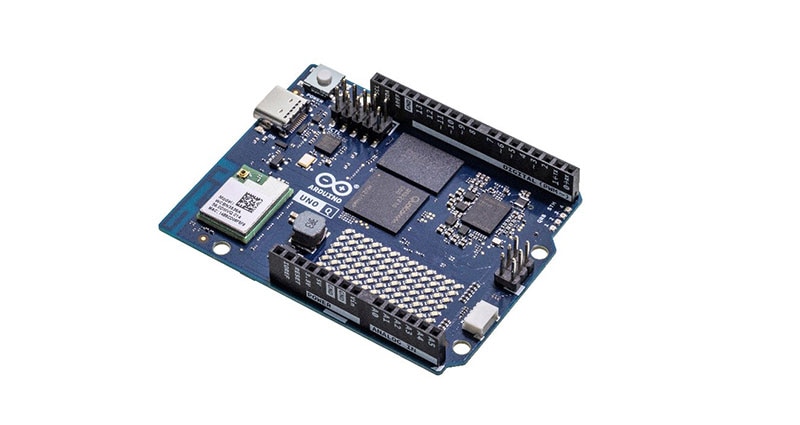
It sounds simple, but it matters. Products without photos feel unfinished and harder to trust. A clear, accurate image helps customers quickly validate form factor, packaging, and overall fit. DigiKey’s system is capable of capturing not just photos, but CAD models, drawings, and schematics. Missing visuals in all their forms can significantly reduce engagement and credibility, especially during the early discovery phase.
Summary
NPIs fail when the launch experience isn’t ready for the customer. Inventory, pricing, documentation, visuals, and alignment aren’t “nice to have” elements; they’re foundational. When these pieces are in place, NPIs are positioned to do what they’re meant to do: drive awareness, enable experimentation, and accelerate adoption.
About this author

Linzee Loerzel, Partnership Marketing Manager, has been with DigiKey since 2005 helping supplier partners showcase products to the engineering community. She holds degrees in Electronics Technology Automated Systems and Electronic Component Marketing and is working toward another degree in Marketing Communication. In her free time, Linzee enjoys piano lessons and volunteering as a Minnesota Master Gardener.