Configuración
 Entrega rápida
 Tipos de pago


 Producto del mercado

Sensors
Contents Share
Top
MachineChat
Key Features
Software Options
Popular MachineChat Content
Communications Protocols
Inter-integrated circuit (I2C)
Improved inter-integrated circuit (I3C)
Serial Peripheral Interface (SPI)
Universal Asynchronous Receiver/Transmitter (UART)
Comparing UART, SPI, I2C, and I3C
Popular Communication Content
Communications Ecosystems
SparkFun Qwiic Connect
Adafruit STEMMA QT Connect
Seeed Grove
Popular Rapid Prototyping Content
Sensor applications (Industrial, Transportation, Edge AI)
Industrial Sensors
Transportation Sensors
Edge AI Sensors
Current Sensors
Types of Current Sensors
Popular Current Sensor Products
Popular Current Sensor Content
Environmental Sensors
Temperature Sensors
Popular Temperature Sensor Products
Popular Temperature Sensor Content
Humidity and Moisture Sensors
Popular Humidity Sensor Products
Popular Humidity Sensor Content
Pressure Sensors
Popular Pressure Sensor Products
Popular Pressure Sensor Content
Gas Sensors
Popular Gas Sensor Products
Popular Gas Sensor Content
Orientation and Presence Sensors
Motion Sensors
Popular Motion Sensor Products
Popular Motion Sensor Content
Optical Sensors
Popular Optical Sensor Products
Popular Optical Sensor Content
Proximity Sensors
Popular Proximity Sensor Products
Popular Proximity Sensor Content
Distance Sensors
Popular Distance Sensor Products
Sensors
Sensors (or transducers) are the "sensing" portions of an electronic system. Just as animals use their senses (sight, smell, touch, hearing, and taste) to navigate through the world, electronics likewise uses sensors to make sense of the world.
Advancements in sensor technology, including miniaturization, tighter integration, enhanced connectivity, and sophisticated data processing, are revolutionizing industrial and consumer applications. Read more about topics like 3D time-of-flight sensors, smart air quality sensors, and using MEMS sensors for vibrational monitoring in the Sensor eMagazine.
 The 2026 Sensors issue of the DigiKey eMagazine.
MachineChat
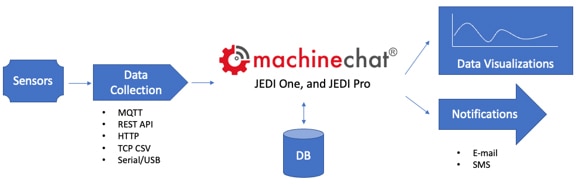
MachineChat is a company that creates all-in-one software applications (like JEDI One and JEDI Pro) to do data collection, dashboard visualization, and rules-based monitoring. The software works on desktops and single board computers in minutes, with no additional coding required. The software runs locally on the system, there is no need for sending your data to the cloud and there are no monthly subscription fees.
Key Features
- Data collection sources include: MQTT, REST API, HTTP, TCP CSV, Serial/USB. Additionally, other data collection source are available via custom data collectors.
- The software allows one to filter, transform, aggregate, monitor, and act on sensor data.
- Data storage is local and maintained in a CSV database.
- Cache and send data to upstream services like MQTT and REST APIs.
- All data visualization is available via a web interface.
- Alerting can be done via email or SMS.
- Software is available to run on PC, Mac, Linux, Raspberry Pi, and BeagleBone.
Software Options
- JEDI One is geared towards Makers and early prototypes (single user, up to 10 devices)
- JEDI Pro is for commercial applications (up to 10 users, up to 200 devices)
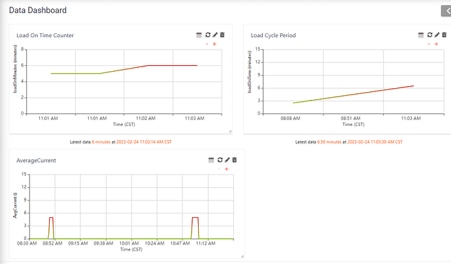 Example of a dashboard from a TechForum post on MachineChat, there's 30+ in depth posts on how to get going with various platforms and sensors: MachineChat category on TechForum
Popular MachineChat Content
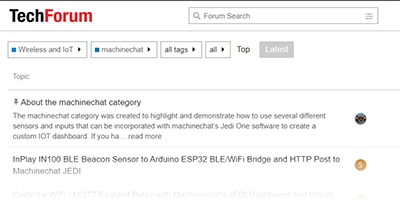
Overall TechForum category on MachineChat
The machinechat category was created to highlight and demonstrate how to use several different sensors and inputs that can be incorporated with machinechat’s Jedi One software to create a custom IOT dashboard.
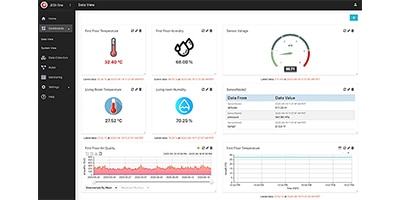
Machinechat
Machinechat’s mission is to be the leading supplier of IoT data management solutions dramatically reducing the cost & time spent on IoT projects. Learn more about their all-in-one IoT software, Jedi One, at DigiKey today!

Getting Started with Machinechat’s JEDI One IoT Software
This tutorial walks through setting up and sending data to an IoT service on your own network, which allows you to have control over the security of the data

Overview of Machinechat JEDI One
An overview of Machinechat JEDI One, the all-in-one IoT software for building field-ready prototypes in minutes, not months.
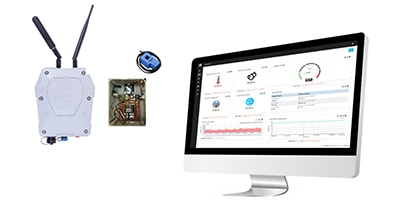
Trigger an SMS Text Alert from a LoRaWAN Sensor using Machinechat’s JEDI Pro Rules Engine
This project discusses implementing an SMS text alert capability that sends an SMS when data from a LoRaWAN sensor meets a predefined condition.
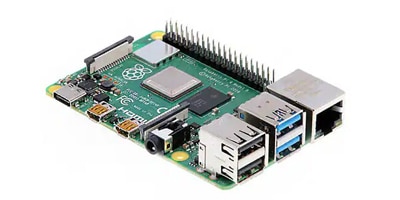
Set up and test IoT MQTT Broker with Raspberry Pi, PyPortal Titano and machinechat’s JEDI One
This project sets up an IoT MQTT broker on a Raspberry Pi 4 using machinechat’s JEDI One IoT data management software.
Communications Protocols
What is the difference between Parallel and Serial Communication? View Answer
Parallel Communications send multiple bits of data at the same time, requiring data bus hardware, typically made up of multiple wires. While allowing faster data transfer, parallel communications also use more I/O ports of the connected devices and require complex wiring arrangements.
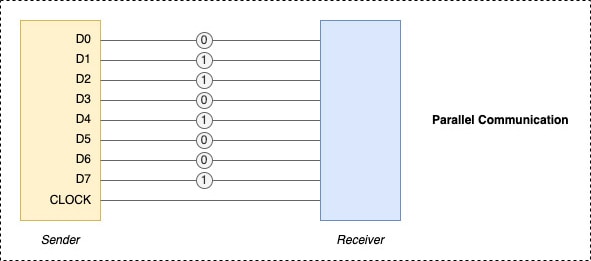 Source: DigiKey
Serial Communication send only one bit of data at a time across paired devices with one wire. With only one I/O port used for device communication, overall device complexity and cost can be lower.
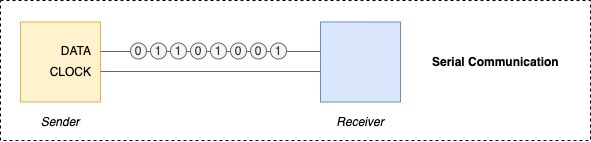 Source: DigiKey
Blog and video - What is Serial Communication, and How Does it Compare to Parallel?
What is the difference between Synchronous and Asynchronous Communication? View Answer
Serial communication can be further divided into two subgroups depending on if they use a clock signal to control and synchronize data communication between linked devices known as synchronous and asynchronous.
- Asynchronous (or Async) Serial means that data can be transmitted without any need for a clock signal. Without a clock signal, data being transferred between devices must be encoded with start and stop bits to ensure proper transfer and while generally slower, the lack of a clock signal can be useful depending on application such as buffering data in which real-time responses are not required.
- Synchronous (or sync) serial requires a shared clock signal between all devices to control data communication. While Synchronous Serial does require another timing signal across all devices it does make communication faster.
What is the difference between Simplex, Half-Duplex, and Full-Duplex? View Answer
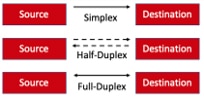
These aspects have to do with the direction data flows between devices. There are three main ways to describe the data flow:
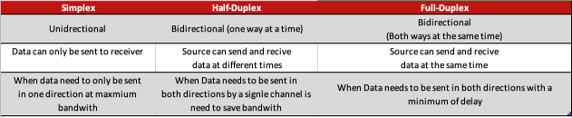
- Simplex – The unidirectional (or one-way) flow of data from Source to Destination. An example is a radio receiving a radio station from a radio tower. The signal is transmitted from the tower and received by the radio.
- Half-Duplex – Allows for data transmission in both directions from the paired devices, but only one direction for a given period. In order to enable half-duplex, both devices need to be able to transmit and receive data. An example of this would be in walkie talkies as only one device can transmit at a time while the other receives.
- Full-Duplex – Both devices can transmit and receive data in both directions at the same time. This results in two-way communication. An example of this would be a telephone connection as both devices would need to allow for simultaneous transmitting and receiving of data.
Inter-integrated circuit (I2C)
- Inter-Integrated Circuit (I2C) Protocol is a two-wire serial connection designed to allow multiple end points to communicate with one or more controllers. It is a half-duplex protocol, meaning data can only be sent in one direction from the controller to many end points at a time.
- Data transfer speeds for I2C can range from 0.1 to 5 Mbit/s, depending on the exact IC and bus configuration. However, due to the simple nature of the two-wire bus connection it can have significantly slower data rate compared to the more complex SPI connection.
Improved inter-integrated circuit (I3C)
- Improved Inter Integrated Circuit (I3C) Protocol is a two-wire serial connection designed to allow multiple end points to communicate with one or more controllers. It shares many things in common with I2C (including being half-duplex)
- One major improvement over the I2C standard is that the I3C standard defines a signaling protocol that allows for multiple chips on the same bus to control the bus communication, as well as being lower power and higher data rate
- Data transfer speeds for I3C bus can range from 400Kbit/s for legacy I2C data rates up to 33 Mbit/s in Ternary mode, but the Standard data rate (SDR) of 12.5 Mbit/s is common
Serial Peripheral Interface (SPI)
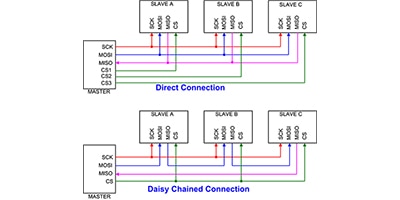
- Serial Peripheral Interface (SPI) Protocol is a 3 or more-wire bus connection to allow many different endpoints to communicate with one centralized controller IC.
- As a full-duplex, synchronous serial connection, SPI connections require a synchronized clock signal from the central controller that all participants on the SPI network share, this allows for a higher speed bidirectional data Transfer. Up to 60 Mbps can be achieved when both source and receiver IC are near each other for example, within the same circuit board.
- The drawback to SPI is that when adding more endpoints on the same bus requires more available I/O pins to act as chip select pins and more wired connections to be made to the controller IC, this can make expansion of existing network difficult.
Universal Asynchronous Receiver/Transmitter (UART)
- Universal asynchronous receiver-transmitter (UART) is a bidirectional asynchronous serial connection, usually implemented in hardware which can be setup for simplex, half-duplex, or full-duplex data transmission with data sent as individual bits one by one in sequence from least to most significant.
- Without a shared clock signal controlling the timing and sending of data, UART relies on the start and stop bits of a UART data frame to signal when to start and stop transmission.
- UART typically has slower data speeds compared to modern networking methods and usually connected as a 1 to 1 communication and all data transmission variables such as sample rate, flow control, data frame size and voltage levels need to agree before connection can be made.
- Most modern microcontroller devices typically have more than one set UART circuity, allowing for multiple UART connections communication to function for multiple devices.

Comparing UART, SPI, I2C, and I3C
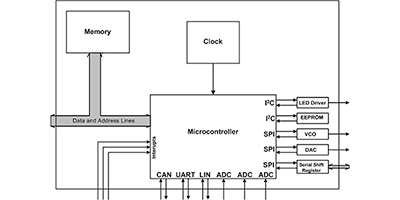
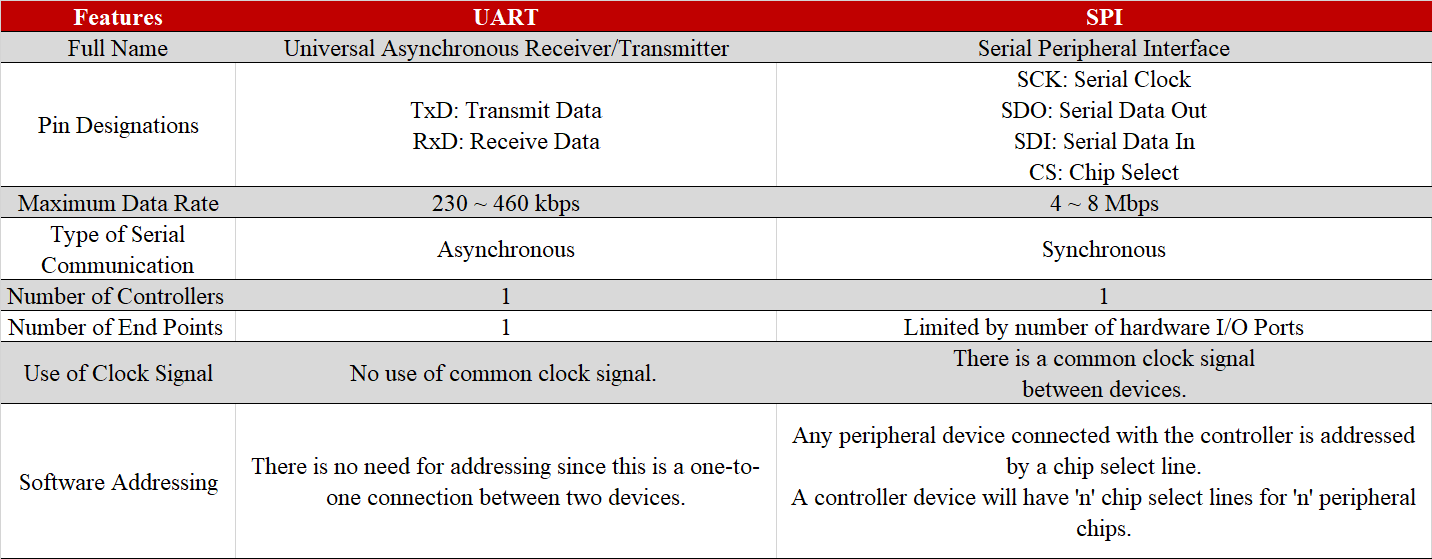 A comparison of the UART and SPI communication protocols
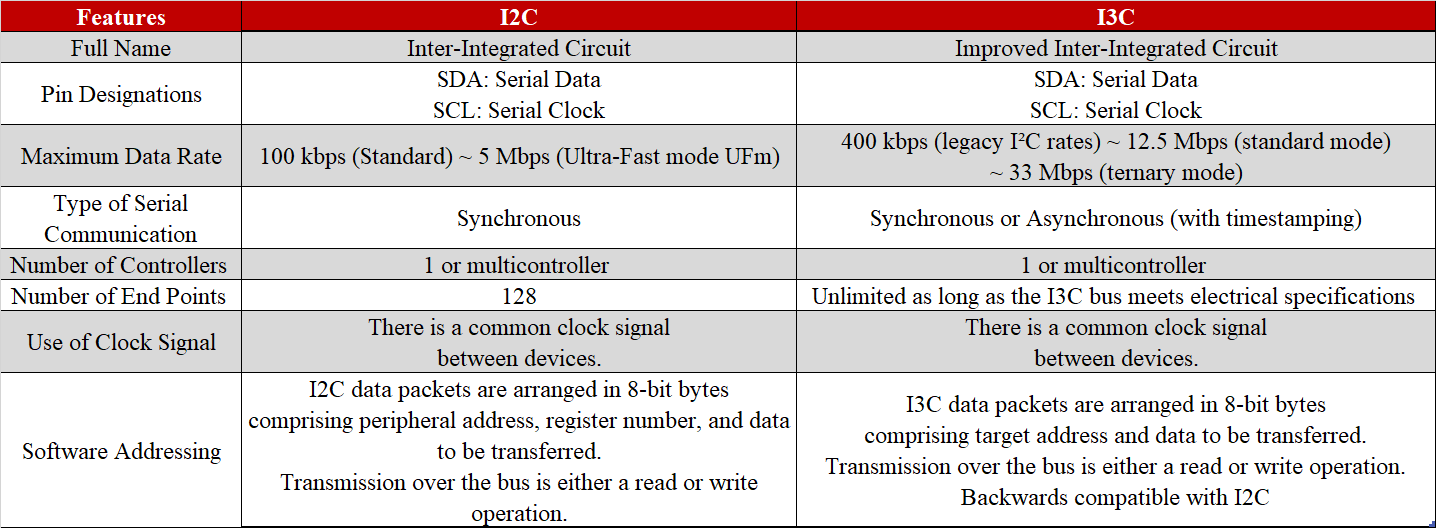 A comparison of the I2C and I3C communication protocols
Popular Communication Content
An Overview of the Inter-Integrated Circuit (I2C) Protocol
In contrast to UART and SPI, I2C supports multiple controllers and peripherals on the same two wire bus - one for data and the other for the clock signal.
An Overview of the Serial Peripheral Interface (SPI)
Although it’s an older standard, SPI is still a commonly used synchronous serial communication protocol for exchanging data between MCUs or registers.
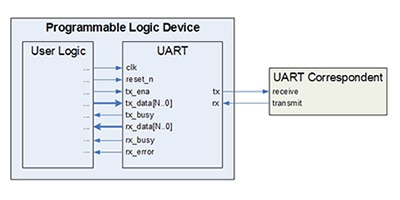
UART (VHDL)
Logic Home Code Download Version 1.1: uart.vhd (13.1 KB) Corrected rx start bit error checking Version 1.0: uart_v1_0.vhd (13.0 KB) Initial Public Release Features VHDL source code of a Universal Asynchronous
I2C and SPI: Communication Protocols – Tech Basics
Adafruit’s BMP280 evaluation board contains sensors that are capable of I2C and SPI protocols to communicate with a microcontroller or other data processing ...
Accelerate Test and Troubleshooting of I²C and Other Common Serial Data Streams
Develop an understanding of the principles of I2C and learn how to test both the physical and protocol layers of this common serial interface with specialized oscilloscope software.
Why and How to Use the Serial Peripheral Interface to Simplify Connections Between Multiple Devices
The Serial Peripheral Interface (SPI) is popular as a simple, low-cost interface between multiple devices such as microcontrollers, sensors, and actuators.
Communications Ecosystems
These connectors have made for quicker and easier prototyping. They can get solutions that include sensors running in less time, and don't require soldering.
SparkFun Qwiic Connect
- Rapid system for connecting I2C devices without needing to solder
- Also makes it easier so that data and clock lines don't get reversed
- Over 100 child devices can be daisy-chained from the parent device
- Only 3.3 volt signaling
- Nonstandard board sizes
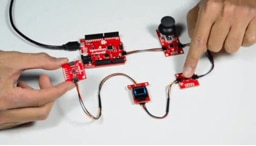 SparkFun Qwiic connect ecosystem example
Adafruit STEMMA QT Connect
- Rapid prototyping system using a plug standard to eliminate or reduce wiring and soldering time
- Compatible Sensor platforms have voltage level shifting for both 3.3V and 5V
- I2C communication
- Compatible with SparkFun Qwiic
- Compatible with Seeed Grove (via adapter)
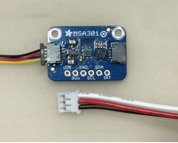 Adafruit sensor with two STEMMA QT sockets
Seeed Grove
- Allows plug and play addition of peripherals / modules
- Compatible with many different microcontroller platforms such as Arduino, NodeMCU, and Raspberry Pi
- Set of fixed board sizes for sensor modules/board
- 4 position connectors and 4 conductor cables
- Communication can be analog, I2C, and UART
- Grove shield stacks on top of development board to provide an easy to access set of connectors
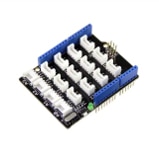 Grove based shield for Arduino
Popular Rapid Prototyping Content
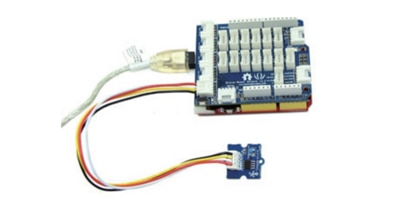
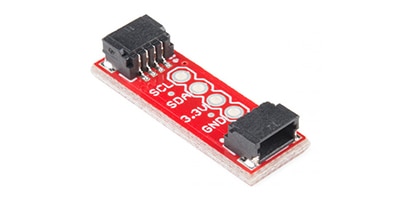
Qwiic Adapter Hookup Guide
The SparkFun Qwiic adapter board is the perfect board to use if you need to make any old I2C board into a Qwiic enabled board.
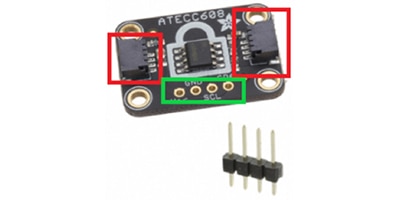
Adafruit Stemma/Stemma QT
Adafruit introduced its STEMMA and STEMMA QT board options in 2018. They have incorporated JST PH or JST SH connectors (shown in red boxes below) to allow for plug and play simplicity on some of their boards in addition …
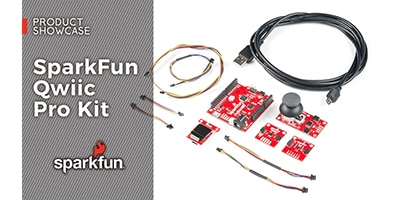
Qwiic Pro Kit Project Guide
With the included joystick, accelerometer, proximity sensor, and display board, hooking up a handful of inputs and outputs to an Arduino has never been so easy
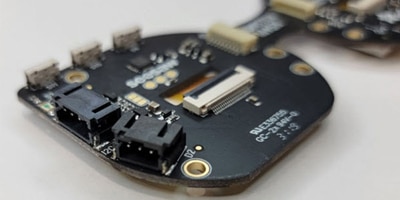
Popular Board Interconnect Systems and How They Benefit Makers
Learn how connector ecosystems, like Qwiic, Grove, STEMMA and Gravity make it easy to quickly prototype projects without creating a rat’s nest of wires.
Sensor applications (Industrial, Transportation, Edge AI)
Industrial Sensors
These core receptors for factories and industrial settings are discussed with the Automation Resource Center.

Transportation Sensors
Sensors within automotive and transportation are discussed in the Transportation Applications and Technologies page.
 From Transportation Sensors eMagzine
Edge AI Sensors
Smart sensors are discussed within the Edge AI Applications and Technologies page.
 From Edge AI eMagazine
Current Sensors
Current sensors are devices used to measure the flow of electrical current in a conductor. Commonly used for power monitoring, motor control, battery management systems (BMS), and overcurrent protection.
Types of Current Sensors
- Hall effect – measure the magnetic field, which is based on the amount of current flowing. This naturally provides galvanic isolation. These can be used for AC and DC current measurement. These generally have less precision, and cost more than shunt based solutions. However, these can be advantageous over shunt based solutions, as they low insertion losses and can handle thousands of amps.
- Shunt based – measures the current through a precision resistor, which the current flows through. These solutions have the highest accuracy, and lower cost. However it does introduce some power loss. Usually not isolated.
- Current transformer – magnetic coupling for measuring AC current with natural galvanic isolation. Excellent for high current AC systems. Gets a lot of use in utility and industrial environments.
Popular Current Sensor Products

Sensores compactos de CI de alto ancho de banda de la serie GXS

Los sensores compactos de CI de alto ancho de banda de la serie GXS de LEM presentan una baja resistencia eléctrica de 1,2 MΩ y un tiempo de respuesta de 1,5 us.


La línea de CI (circuitos integrados) de sensores de corriente de efecto Hall totalmente integrado de Allegro MicroSystems está disponible en Digi-Key. Realice su pedido hoy, envíos en el mismo día.

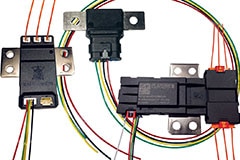
Los kits de sensores de corriente de Isabellenhuette incluyen un arnés de cables prefabricado diseñado para su uso con los sensores de las series ICD e IVT de Isabellenhuette.
Popular Current Sensor Content

The Basics of Current Sensors
This article describes the advantages of open-loop sensors over closed-loop current sensors. Examples of LEM and Honeywell open-loop sensors are described.

Isolated Current Sensors Solve Circuit, Safety Problems
Using isolated current sensors in power-related applications helps designers to easily monitor current, increases safety, and eliminates the need for extra isolation circuitry.
Environmental Sensors
Environmental aspects like temperature and humidity can play a role in the longevity of buildings and electronic components. Heating, ventilation, and air conditioning (HVAC) systems rely on good environmental data for operation.
Temperature Sensors
Temperature Sensors are devices that can measure the heat of a surrounding or distant location and transmit that data to the system. This is often accomplished by taking advantage of how materials change physical and electrical properties in response to heat.
 Thermocouples – most common type of temperature sensors due to their self-powered nature and quick response times across a wide range of temperature. Thermocouples work by a physical rule known as the Seebeck effect. When there is a temperature difference between two different conductor materials, the junction produces a voltage differential which can be amplified and measured.
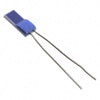 Resistance Temperature Detector (RTD) – a simple sensor that measures the change in resistance of metals the temperature changes. RTDs are usually slower responding than thermocouples which make them poor fits for environments that experience rapid changes.
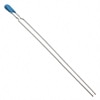 Thermistors – made from polymer or ceramic material making them cheaper and more easily produced than RTDs or Thermocouples but with the tradeoff of less stability and accuracy. Thermistors generally have larger output signal ranges (therefore need less amplification and filtering). Negative Temperature Coefficient (NTC) thermistor are the most common and widely used thermistor. With NTCs the resistance measure across the device decreases as the temperature increases. Positive Temperature Coefficient (PTC) thermistor exhibit an increase in resistance in response to an increase in temperature. Typically, better for threshold sensing in applications like over-temp detection.
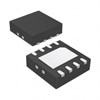 Integrated Circuit (IC) – devices can have several layers of logic including Data Processing that can help these devices achieve more linearity in the measurement. Additionally, the ICs may contain threshold monitoring or alerting capabilities within the device, which may reduce the number of parts needed in a design.
Popular Temperature Sensor Products

Sensores de temperatura de grado automotriz de la serie STS41A
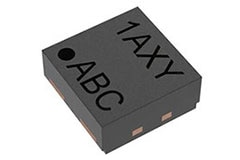
Los sensores de temperatura de uso automotriz de la serie STS41A de Sensirion ofrecen alta precisión (±0.2 °C típico), tiempos de respuesta rápidos y confiabilidad robusta.

Sensor de alta temperatura con brida para altas temperaturas 59135

El 59135 de Littelfuse es un sensor de lengüeta de montaje con brida, para altas temperaturas con una opción de contactos normalmente abiertos, normalmente cerrados o de conmutación.

Sensor de temperatura NTCAIMM66H NTC
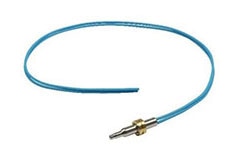
Los sensores de temperatura NTCAIMM66H NTC de Vishay proporcionan una detección de temperatura rápida, precisa y fiable de fluidos o entornos alojados.
Popular Temperature Sensor Content
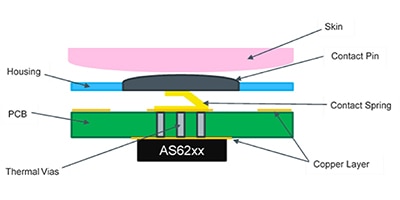
How to Use High Accuracy Digital Temperature Sensors in Health Monitoring Wearables
High accuracy digital temperature sensing for wearables requires careful attention to calibration and certification, low power, cost, and ease of use.
Common Temperature Sensing Technologies
Temperature sensing is one of the more common technologies in today’s product applications.
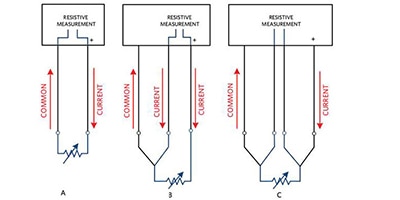
Types of Temperature Sensors
There are four main types of temperature sensors. This blog will look at the considerations for using each type along with their advantages and disadvantages.
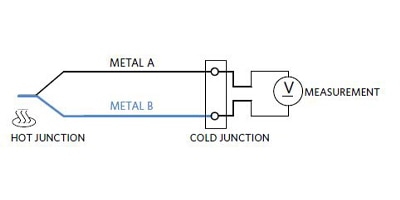
Characteristics of Thermocouple
Thermocouples are a common passive sensing element that respond to temperature in a measurable way.
Humidity and Moisture Sensors
Humidity is a measurement of the amount of water vapor in the air. It can affect both human health and machine performance. High humidity can lead to mold and mildew growth. Additionally, high humidity can cause corrosion and electrical shorts. Low humidity can adversely affect human health and increase Electrostatic discharge (ESD) potential for electronic circuits. Humidity can be represented in terms of Relative humidity (RH), which is a percentage representing the current water vapor to amount of water vapor that could be present before condensation occurs at a given temperature. Absolute humidity is the percentage of water vapor present in the air.
Below are methods on how humidity sensors operate:
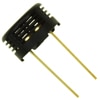 Capacitive Based – works by measuring changes in capacitance as the dielectric absorbs and releases water based on the surrounding environment. This is most common type of humidity sensor due to low cost, low maintenance, and linearity of the sensor over time. Measures relative humidity.
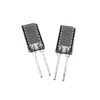 Resistive Based – typically has two areas of electrically conductive material separated by a nonmetallic layer. As this nonmetallic layer absorbs water from the surrounding air, the resistance decreases allowing more electric current to pass between the two conductive areas. Measures relative humidity.
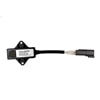 Thermal Based – made up of two evenly matched thermistors, one exposed to open air and the other in a sealed container. As the exposed thermistor encounters humid air, it changes resistance measurement. The difference in resistance between the two thermistors is directly proportional to the absolute humidity.
Popular Humidity Sensor Products

Fermion: sensor ambiental con IA BME688

El sensor ambiental con AI BME688 Fermion de DFRobot es un sensor MEMS compacto que proporciona mediciones precisas de temperatura, humedad y presión barométrica.

Sensores de humedad y módulos de humedad/temperatura

Los sensores de humedad de Innovative Sensor Technology presentan una excelente linealidad, baja histéresis, tiempos de respuesta rápidos y alta resistencia química.
Sensores de temperatura de grado automotriz de la serie STS41A
Los sensores de temperatura de uso automotriz de la serie STS41A de Sensirion ofrecen alta precisión (±0.2 °C típico), tiempos de respuesta rápidos y confiabilidad robusta.
Popular Humidity Sensor Content
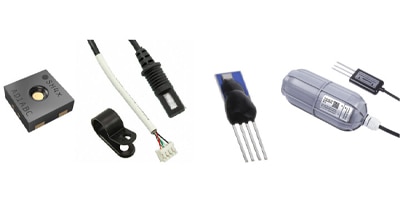
Humidity Sensors: Types, Features, and Best Practices for Accurate Measurements
Humidity is the amount of water vapor in the air, and devices that detect it are called humidity sensors.
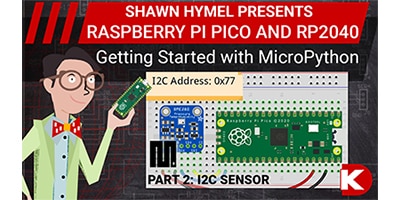
Intro to Raspberry Pi Pico and RP2040 - MicroPython Part 2: I2C Sensor
In this tutorial, we show you how to read from an I2C sensor using MicroPython on the Raspberry Pi Pico.
Pressure Sensors
Pressure Sensors are designed to detect the presence or a change in the amount of force per unit of area. This can be measured in liquids such as water, oil, or other chemicals or in gas like the air we breathe.
Pressure sensors main method of operation is by measuring changes in electrical voltages generated by the Piezoelectric effect. The Piezoelectric effect is a property of certain physical materials like quartz crystals, ceramics, and metal alloys to generate an electrical charge when placed under mechanical stress.
There are several ways to measure pressure in both Metric and Imperial measurement systems. When selecting a sensor, be sure that the final choice is compatible with other sensors in the system.
Pressure units:
- Pascal: Metric system unit of measure, defined as 1 Newton of force per square meter
- Bar: levels of pressure individuals may experience, defined as exactly 100,000 Pascals, which is slightly below normal atmospheric pressure at sea level (1.013 bar)
- Pounds per square inch (PSI): more common for Americans and, the Imperial system.
Types of pressure sensors:
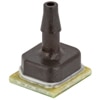 Gauge – measures pressure in reference to normal local atmospheric pressure. These sensors have a vent open to normal atmosphere acting as a sensor reference. Any pressure measurement taken would only be in reference to local conditions.
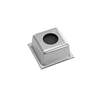 Absolute – measures pressure in relation to an absolute vacuum or zero pressure. By using a vacuum with zero pressure as a measurement reference, all measurements using that reference will be the same regardless of conditions. This allows for stable and consistence results across operating conditions. It also makes these sensors a good choice for altitude, and depth measurement, including indoor navigation.
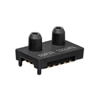 Differential – measure the difference between two separate pressures, each one connected on a different side of a sensor diagraph. This type of pressure sensor is usually found in systems that need to measure the rate of flow of a gas or liquid and can be useful in detecting when a blockage or leak has occurred in the system.
Popular Pressure Sensor Products

Sensores de presión - Montaje de placa y resistencia

Pida sensores de presión de Honeywell para servicio pesado y montaje en placa en DigiKey. El diseño consta de 4 piezorresistencias sobre un diafragma de silicio grabado químicamente.

Sensores de presión digitales de doble matriz ELVX

Los sensores digitales de presión de doble chip ELVX de Amphenol All Sensors ofrecen una precisión de medición precisa y fiable para diseños médicos, HVAC e industriales de próxima generación.
Sensor dual de velocidad del aire y presión de altitud AUAV
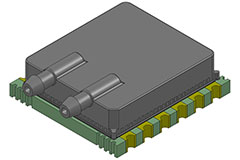
La serie AUAV de Amphenol All Sensors combina un sensor de presión diferencial de alta precisión con un sensor de presión barométrica en un solo paquete.
Popular Pressure Sensor Content
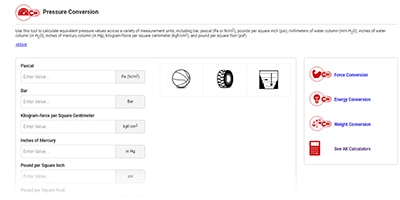
Pressure Conversion Calculator
Convert psi to bar, kg/cm2 to psi, bar to kg/cm2, and other units like pa, mmH2O, inches H2O, psf and atmosphere with DigiKey's pressure measurement conversion calculator.
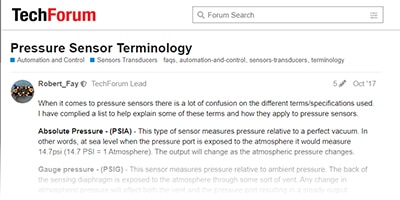
Pressure Sensor Terminology
When it comes to pressure sensors there is a lot of confusion on the different terms/specifications used. I have complied a list to help explain some of these terms and how they apply to pressure sensors. Absolute Press…
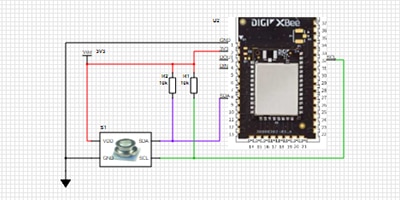
Machinechat with Zigbee TE MS5837 pressure sensor
This project uses a Digi Xbee3 wireless Zigbee module and a TE Connectivity MS5837 sensor to implement a Zigbee temperature and barometric pressure sensor.
Pressure Sensor Readings (Pressure Transducer, Pressure Transmitter)
Pressure sensors, also known as a pressure transducers or pressure transmitters, take an applied force and convert it into a proportional electrical signal which is then output to a PLC or other controlling device.
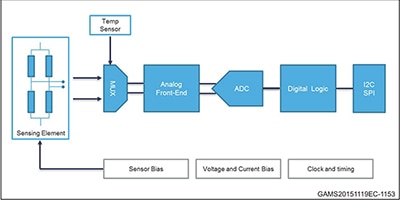
Use Advanced Pressure Sensors to Boost Accuracy and Resolution in Compact IoT Designs
Pressure sensors are critical to the IoT, with new versions emerging that feature smaller form factors, greater accuracy and resolution.
Gas Sensors
Gas Sensors are devices that can identify different types of gaseous chemicals. Typically, these sensors can detect toxic or explosive concentrations before reaching a hazardous level but more recently, gas sensors have been included in smart home and building designs with a focus on human health and comfort.
The most common type of target gases for electronic gas sensors are Carbon Monoxide, Carbon Dioxide, Volatile Organic Compounds (VOCs), Oxygen, and Hydrogen. Sometimes a more generic term of "air quality" will be used with gas sensors, this could include Carbon Dioxide, VOCs, and particle measurement, but it's best to refer to the data sheet in these cases.
The most common way for a gas sensor to function is based on a Metal oxide semiconductor. These work by exposing a heated chemiresistor surface to open air, allowing for gases to interact with the surface. As more of the target gas contacts the gas sensing layer, the resistance of the surface changes allowing the circuit to detect the change in surrounding environment.
Another way gas sensors function is Non-Dispersive Infrared (NDIR). This type of sensor works by directing a beam of infrared red light down a tube exposed to atmospheric gases. The frequencies of the infrared beam that are absorbed help to indicate the target gases present.
Popular Gas Sensor Products

Sensor de CO2 XENSIV™ PAS de 5 V
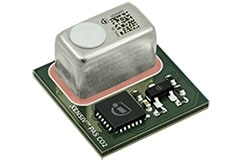
Sensores de gas basados en espectroscopia fotoacústica (PAS) compactos y de alta precisión de Infineon para una medición precisa de CO₂ y una mayor eficiencia energética.

Sensor avanzado de gas refrigerante Sunlight R290

El sensor avanzado de gas refrigerante Sunlight R290 de Senseair está diseñado para la detección precisa y fiable del gas refrigerante R290.
Soluciones de detección de la calidad del aire en interiores
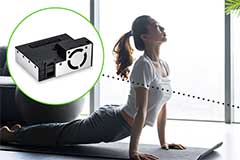
Como expertos en detección ambiental, Sensirion ofrece una completa cartera de sensores fiables de calidad del aire interior para monitores, purificadores, ventilación y mucho más.
Popular Gas Sensor Content

AI Toaster That Makes Perfect Toast Using Smell
Shawn Hymel uses machine learning and some hardware hacking wizardry to give a mundane kitchen appliance a little AI boost.
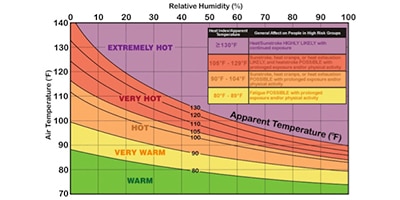
How to Quickly Add Environmental Sensing Industrial IoT Designs
A multi-sensor device and a sensor fusion library dramatically simplify development of environmental monitoring systems for health and wellness.
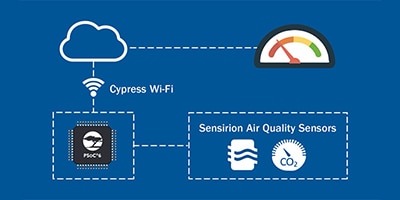
What Matters When Integrating Gas Sensors into Air Quality Monitoring Designs
Advances in compact gas sensors include calibration software and cloud connectivity that allow faster development of accurate air quality monitoring designs.
Orientation and Presence Sensors
These are sensors that detect objects, motion, and determine the orientation of a system. An example of related system using these sensors is self driving robots, which require a series of orientation and presence sensors to avoid collision and safely navigate a factory floor.
Motion Sensors
 Accelerometers – Velocity (meters / second) is the rate of change in position, Acceleration (meters / second2) is the rate of change of velocity. Another way to think of this is, velocity is how fast a car is traveling and acceleration is how fast the car is changing its speed. Acceleration and velocity do not only apply to a car moving in one direction, but it also applies to the turns (change in direction). Accelerometers are therefore sensors that can measure the vibration or acceleration of a system. Many current accelerometers are 3 axis, meaning they can measure acceleration in the X, Y, and Z dimensions. Most electronic accelerometers operate Micro-electromechanical systems (MEMS) measuring changes in capacitance or voltages caused by piezoelectric materials under stress.
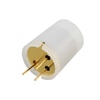 Optical Motion Sensors – can use light, usually infrared radiation to detect movements and some of the sensors can determine the direction of the movement. Passive Infrared (PIR) sensors can detect changes in the amount of infrared light that strike the sensor. These sensors are commonly used in security detection or automatic lights that respond when someone enters a room. Pyroelectric sensors are attuned to picking up the infrared radiation associated with heat. Pyroelectric sensors are applied to sensing fire, as well as thermal imagining for people.
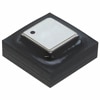 Gyroscopes – devices for measuring the rotational changes. Gyroscopes make it possible to sense changes in angular velocity, or rate of turn, measured in degrees per second. The goal for this sensor is to provide feedback so that a system (like an airplane) can determine the rates of change and balance. Electronic gyroscopes with Micro-electromechanical systems (MEMS) sensing are popular due to small size, low power consumption, and accuracy.
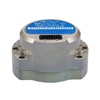 Inertial Measurement Units (IMUs) – electronic device that can measure acceleration, orientation, and angular turning rates across all three axes of motion. These devices are based on multi-axes combinations of differing sensor types which often include an accelerometer, a gyroscope, and a magnetometer in the same package.
Popular Motion Sensor Products


La unidad de medición inercial (IMU) de sistema en paquete (SiP) ISM330BX de STMicroelectronics cuenta con un acelerómetro digital de 3 ejes y un giroscopio triaxial.

Acelerómetro de última generación BMA580

El acelerómetro de última generación BMA580 de Bosch Sensortec presenta detección exclusiva de actividad por voz.
Sensor de unidad de medición inercial (IMU) BMI330

La solución de sensor IMU BMI330 de Bosch Sensortec proporciona actualizaciones perfectas con compatibilidad pin a pin con dispositivos existentes, lo que permite actualizaciones fáciles.
Popular Motion Sensor Content
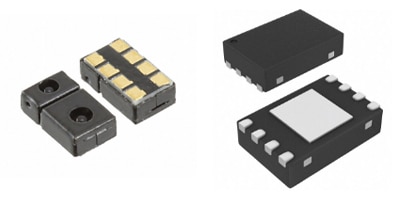
Understanding Different Gesture Sensor Technologies and its Application
Gesture recognition refers to technology that interprets human gestures, such as hand movements, facial expressions, or body language, through mathematical algorithms.
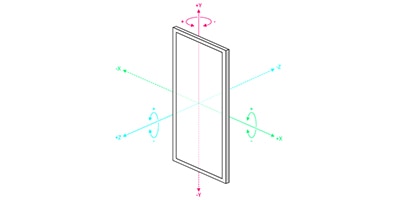
Get Started with MEMS-Based Motion and Orientation Sensor Design Using Arduino Breakout Boards
Using Arduino BOBs, designers can quickly evaluate various combinations of MEMS accelerometers, gyroscopes, and magnetometers for motion and orientation.
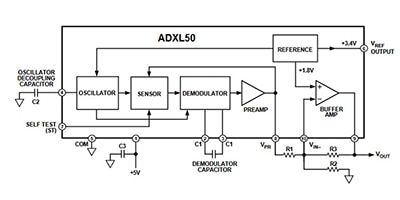
MEMS Sensors are Good, but the Revolution is Just Beginning
MEMS-based technology revolutionized acceleration sensing and inertial guidance and has extended its capability to diverse unrelated applications.
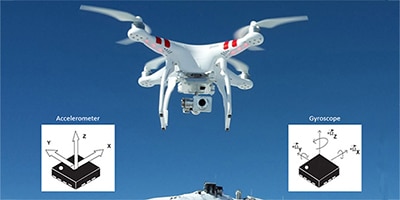
Apply Sensor Fusion to Accelerometers and Gyroscopes
For higher navigational and motion accuracy, use a Kalman filter to combine the best attributes of 3D accelerometer and 3D gyroscope sensors.
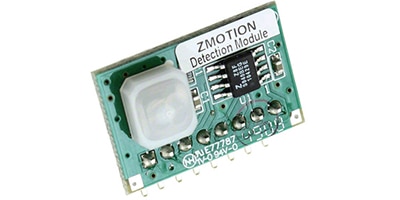
Sensing Motion with Passive Infrared (PIR) Sensors
This article discusses passive infrared (PIR) sensors from Zilog, Panasonic, and Parallax that are well-suited for passive infrared detector designs.
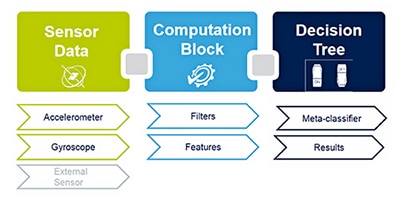
IMUs: Let Your Host Sleep with On-Board Machine Learning
Integrating machine learning and decision tree processing into IMUs can offload real-time position and movement processing from the host application processor.
Optical Sensors
Optical Sensors (also known as Photoelectric Sensors) are devices that can detect objects by use of optical properties. Unlike other sensors that can only detect objects with certain metallic or conductive material composition, optical sensors are able to work with a wide variety of materials such as plastic, glass, wood, and metal. Typically, an optical sensor is a device with two main components: an Emitter usually a LED that can project a beam of light in one direction and a Receiver a phototransistor in a circuit that is able to respond to changing levels of light.

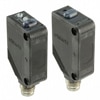 Through beam sensors – a pair of separate devices, one emitter unit that projects the beam of light out and one receiver that receives it. As an object passes through the beam, it interrupts the light path and either reduces or blocks the light beam from the receiving unit. The change in the amount of light at the receiving unit can then trigger the output circuity. A common embodiment of this sensor is the safety beam on garage door opener systems.
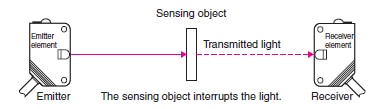 Source: Omron Industrial Automation
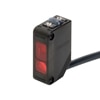
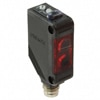 Retro-reflective sensors – are like through beam sensors but instead of having the emitter and receiver in two separate units, both elements are in the same housing. The light from the emitter element is projected outward towards a reflector which reflects the light back to the receiver element. As an object passes through the light beam, there's a reduced amount of light at the receiver.
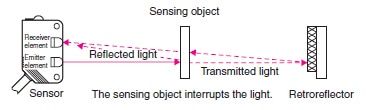 Source: Omron Industrial Automation
 Diffuse-reflective sensors – have both the Emitter and Receiver in the same package but unlike reflective sensors, the diffuse sensor triggers when light is reflected from the target object back to the receiver element. If the target object can return some light back to the sensor it will trigger making it very flexible in terms of object path and orientation.
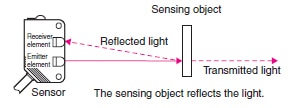 Source: Omron Industrial Automation
Popular Optical Sensor Products

Salida lógica del sensor de movimiento LUMAWISE

La salida lógica del sensor de movimiento LUMAWISE de TE Connectivity (TE) es una versión analógica del popular sensor de movimiento LUMAWISE diseñado para el alumbrado público.
Popular Optical Sensor Content
The Basics of Photodiodes and Phototransistors and How to Apply Them
Photodiodes and phototransistors allow microprocessors to “see” the world by sensing light intensity, but their use requires an understanding of the basics.
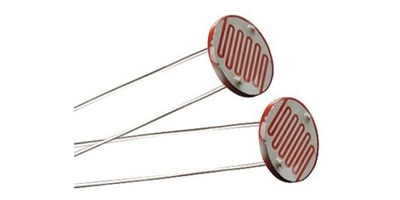
Ambient Light Sensors: Types, Applications and Selection Tips
Ambient light sensors measure the intensity of light in their surroundings.
Proximity Sensors
Proximity Sensors are devices that can determine the presence or distance of an object without physically contacting the object. There are many different methods of operation ranging from sensors that work with detecting target physical properties to those that work with the sensing environment.
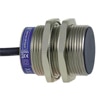 Inductive proximity sensors – detect the presence of conductive (i.e., metal) objects and have a sensing range that is dependent on the type of metal being detected. These sensors operate by using a magnetic field that constantly changes polarity at high frequencies. As a conductive metal target passes through the field generated by the sensor, an eddy current is generated in the target object. That eddy current creates an opposing magnetic field that disrupts the sensor field allowing the change to trigger an output circuit.
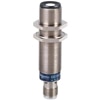 Ultrasonic proximity sensors – are sensors that emit a burst of high frequency soundwaves, operating at a higher than the human hearing range. By measuring the time for reflected sound waves to bounce off the target object and return to the receiving sensor, the distance to the target can be determined.
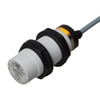 Capacitive proximity sensors – can detect both metallic and non-metallic target substances in form factors such as powder, granulated, liquid, and solid forms. These sensors are much like inductive sensors but instead of measuring a metallic object's inductive property, these work by measuring the changes in capacitance. The sense plate, acting as one half of a capacitor with the target object acting as the other half can detect changes in capacitance which changes in response to physical distance or composition.
Popular Proximity Sensor Products

Transductor ultrasónico de 200 kHz ATK200 Airducer®

El ATK200 Airducer de Amphenol Airmar proporciona un rango de detección de 12 cm a 2 m y tiene un receptáculo de PVDF Kynar® de una sola pieza para entornos químicamente agresivos.


Los sensores ultrasónicos de Same Sky cuentan con clasificaciones de distancia desde 0.2 m hasta 18 m.

Controladores capacitivos de detección táctil y de líquidos de la serie MTCH
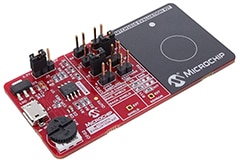
La serie MTCH de Microchip está diseñada para aplicaciones integradas que requieren alta inmunidad al ruido, tolerancia al agua y una sobrecarga mínima de firmware.
Popular Proximity Sensor Content
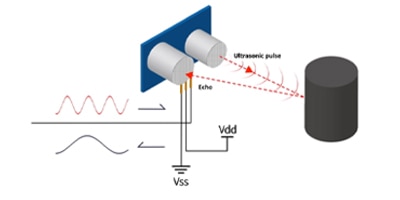
Ultrasonic Sensors: Types, Applications and Solutions for Accurate Measurement and Detection
The word ultrasonic refers to sound waves with frequencies greater than 20 kHz, which are inaudible to the human ear.
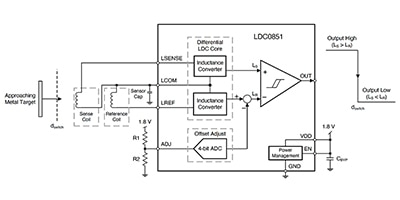
The Fundamentals of Proximity Sensors: Their Selection and Use in Industrial Automation
By learning the fundamentals of proximity sensors, industrial automation engineers can use them to sense the presence and location of objects or people.
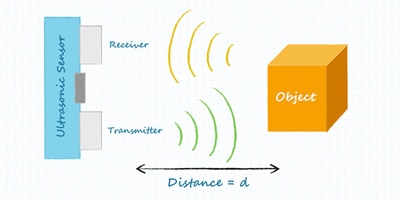
Design Considerations when Selecting a Proximity Sensor Technology
There are a number of leading proximity sensor technologies; each with very different operating standards and different strengths.
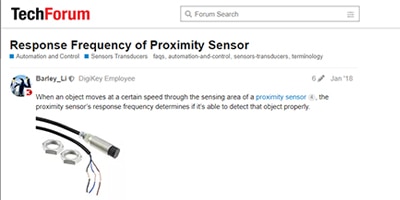
Response Frequency of Proximity Sensor
When an object moves at a certain speed through the sensing area of a proximity sensor, the proximity sensor’s response frequency determines if it’s able to detect that object properly.
Distance Sensors
Distance ranging technologies use optical and RF-based methods to provide accurate, real-time measurement of an object’s position within an environment. Solutions such as Time-of-Flight (ToF), LiDAR, radar, and Ultra-Wideband (UWB) enable spatial awareness across a wide range of applications, including robotics, transportation, and ranging objects.
Whereas proximity is typically provided a binary output (either within range or outside of range), distance sensors are determining how far to an object.
 Time-of-flight (ToF) - enables accurate, real-time distance measurement by calculating the travel time of emitted signals. Great with short range precision measurement.
 LiDar - uses laser-based measurements to generate precise, high-resolution set of distance measurements. Great for mapping a space.
 Radar – uses RF signals to detect distance, motion, and presence. Great for getting distance readings through obstacles.
Popular Distance Sensor Products
Sensor de tiempo de vuelo VL53L4CX

El VL53L4CX de STMicroelectronics, diseñado específicamente para mediciones de largo alcance y de varios objetivos, proporciona mediciones de distancia muy precisas de hasta 6 m.
Sensor de radar FMCW de 60 GHz BGT60UTR11AIP

El sensor de radar FMCW BGT60UTR11AIP de 60 GHz de Infineon Technologies está altamente integrado con AiP y tiene un bajo consumo de energía y un costo del sistema optimizado.

Módulo de banda ultraancha (UWB) DWM3001C

Los módulos Qorvo DWM3001C UWB tienen un bajo consumo de energía, lo que permite alimentar baterías durante largos periodos para una implementación rentable.